
Trek Details
Spring 2024 Itinerary
Flocks and Rocks 2024 Trip Summary
The 2024 Flocks and Rocks Trek will begin at the PHX airport on April 18. An hour’s drive toward Tucson (southeast) will take us to our Thrasher spot. LeConte’s Thashers were found here in 2021, a new southeasternmost location for the species. Where there are LeConte’s Thrashers there are usually Bendire’s and both of these hard-to-find species have been seen in this location regularly since that year. We will camp there on public land in creosote bush desert with sandy substrate, habitat eschewed by the better-known Curve-billed and Crissal Thrashers. We should see and hear the exuberant singing of both, perhaps from our campsite.
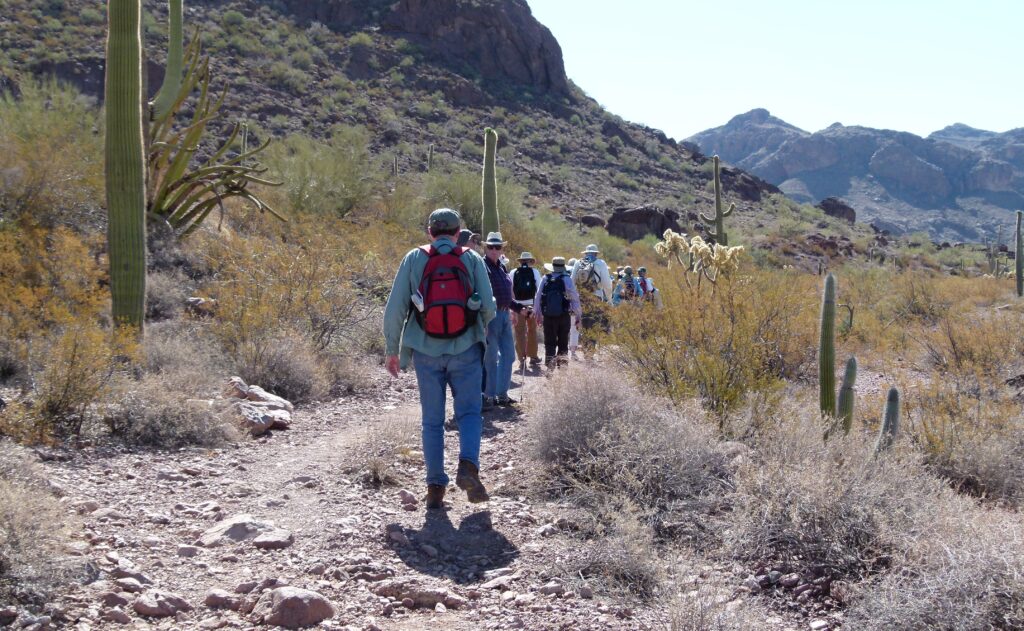
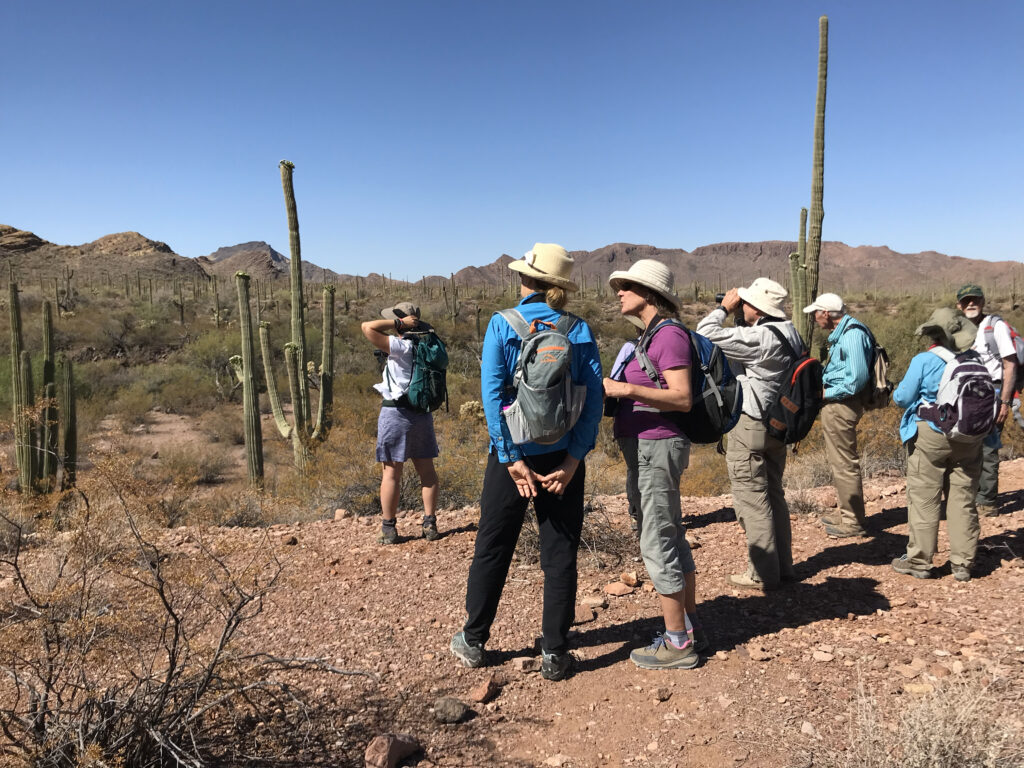
We will proceed on the 20th from the ecologically depauperate thrasher spot to the luxuriant crown jewel of Sonoran desert sites at Tucson Mountain Park. Towering saguaro cacti, which will be dotted with large white flowers when we visit, dominate the hilly, gullied landscape. Small trees with green bark (palo verdes) grow in the gullies (called arroyos), and shrubs of various kinds, including the bizarre ocotillo, join the cacti in the rocky soil on the slopes. You may want to ask, why is this called desert. We will learn all about that at the nearby Arizona-Sonora Desert Museum. Its exhibits explain desert geology and ecology, the live-animal exhibits give you a chance to get close to denizens of the deserts, and surrounding mountains, such as javelina, coati, and Costa’s Hummingbird.
After familiarizing ourselves with the common desert birds, such as Gambel’s Quail and Phainopepla, we will take a short drive through the city of Tucson to the base of Mt. Lemmon. There we ascend an ecological staircase of saguaro desert, juniper-oak woodland, pinyon-juniper woodland, and ponderosa pine forest. We’ll learn how this very transect contributed to a paradigm shift in plant ecology.
The views from the heights make it clear why “mountain islands, desert seas” is such an apt description of the southern Arizona landscape. We’ll learn how it got that way in the Cenozoic, with mountains bubbling up as the skin of the earth was stretched thin by tectonic forces. We’ll drive right through a forest of hoodoos reminiscent of those seen in the Chiricahuas.
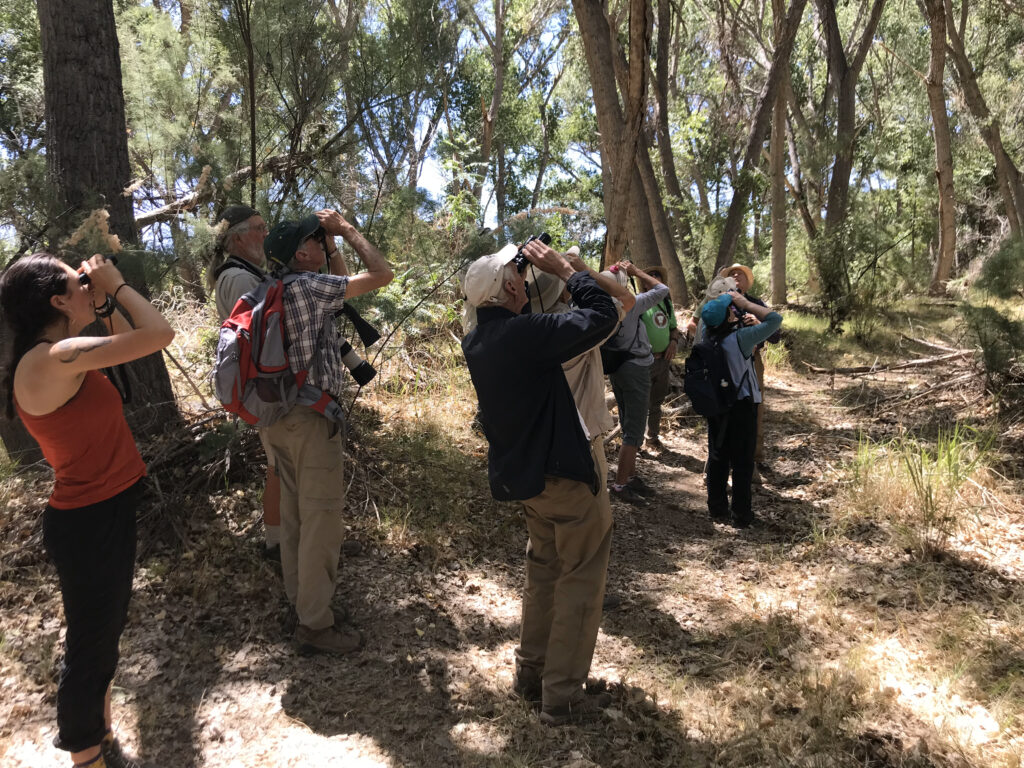
We’ll camp in the pines and look for the Common Black Hawk that frequents the artificial lake in Rose Canyon. Olive Warblers and Red-faced Warblers will challenge those who like to gaze into the treetops. This will be our only exposure to the birds of the mountain forests, so we will have to make the most of our one night at this elevation. We might hear the faint hoots of the Flammulated Owl, America’s second smallest raptor. That will be possible, because it will be really quiet in a campground on a Sunday night. But it will also be chilly. This will be the night you’re glad you brought your long-johns
We will then descend the mountain and head past the Santa Rita Mountains (one of those islands) for a three-night stand at luxurious Patagonia Lake State Park, which has a swimming beach on its artificial lakeside, showers, and many great desert bird species. Verdin, Ladder-backed Woodpecker, Northern Cardinal, and Great-tailed Grackle are common in the campground. An excellent birding trail along the lakeshore takes us to Lucy’s Warbler, Rufous-winged Sparrow, Brown-crested and Dusky-capped Flycatchers, and possibly Black-capped Gnatcatcher.
We will use the state park as the base for day trips to other outstanding natural areas. Among these are the Paton Hummingbird Center in nearby Patagonia, where one sees common birds up close at the feeders, and Violet-crowned Hummingbird almost always rewards a visit of an hour or more. The nearby roadside rest is always a must-see, as so many unusual birds have been seen there over the years. We will also drive through the Las Cienegas National Conservation Area. The luxuriant desert grassland there will make it easier to understand why cattlemen of the late 19th century overpopulated Arizona rangeland with their herds. But droughts wiped out the cattle and the grass and the latter has never recovered. This conservation area is the prime exception. And while there, we might hear the high-pitched buzzy song of the isolated local population of Grasshopper Sparrow.
We proceed from the grasslands through oak woodlands and their Acorn Woodpeckers to Box Canyon, a severe gash in the north slope of the Santa Ritas. It’s only a couple of miles long but has special geology and ecology, and with them high-interest birds. The north-facing slope of the canyon is ordinary chaparral, although it is home to a dense population of Common Poor-wills. The south-facing slope has a vertical cliff that funnels torrents of water in thunderstorms, and hosts a few hardy plants growing from cracks in the rock. The slightly less vertical slopes are home to a severely water-stressed desert, but the meager vegetation rooted in the cracks among the rocks are just the ticket for Varied Bunting and Five-striped Sparrow. Both were hard to find until birders realized the benefits of this location which is easy to drive through and near Tucson. We won’t have a chance at the bunting, but the sparrows should be singing all day in April. We won’t see a thunderstorm either, but looking at that cliff can help you imagine one. And perhaps we will have a picnic supper there and listen for Elf Owls on top and poor-wills in the canyon as night falls.
Other desirable places to visit from Patagonia Lake are the the Sonoita Creek Reserve, the Harshaw Mountains, and the Santa Cruz River bosque. We’ll use Ebird to monitor the latest sightings and decide where else to visit. From the lake we’ll complete our circumnavigation of the Santa Ritas via I-19 for the short trip north to Madera Canyon, in the northwest corner of the Santa Ritas. We’ll camp at Bog Springs Campground for two nights and listen there and up canyon for Elegant Trogon and the many other species of the floristically diverse canyon ecosystem that makes southern Arizona so appealing to birds and birders. Two large hummingbird species, Blue-throated Mountain-gem and Rivoli’s Hummer, will knock the socks off folks who’ve never been to this corner of the US before.
Our last stop will be Kartchner Caverns State Park and its world-famous stalactites and stalagmites. We’ll take a cave-tour, see some more desert birds, examine the Paleozoic fossils in the native limestone on the surface, and get packed and cleaned up for the journey home. The Tucson airport is an hour away. We’ll leave as early as necessary on Sunday April 28 to get everyone on their flight home, full of memories of food, fellowship, and exceptional natural history in southeastern Arizona.
While the Gulch is most known for our work with youth, we believe more adults could benefit from getting out of the house and learning about their environment. Even those of us who are skilled outdoor adventurers often lack a critical element to our personal explorations: a seasoned and knowledgeable guide.
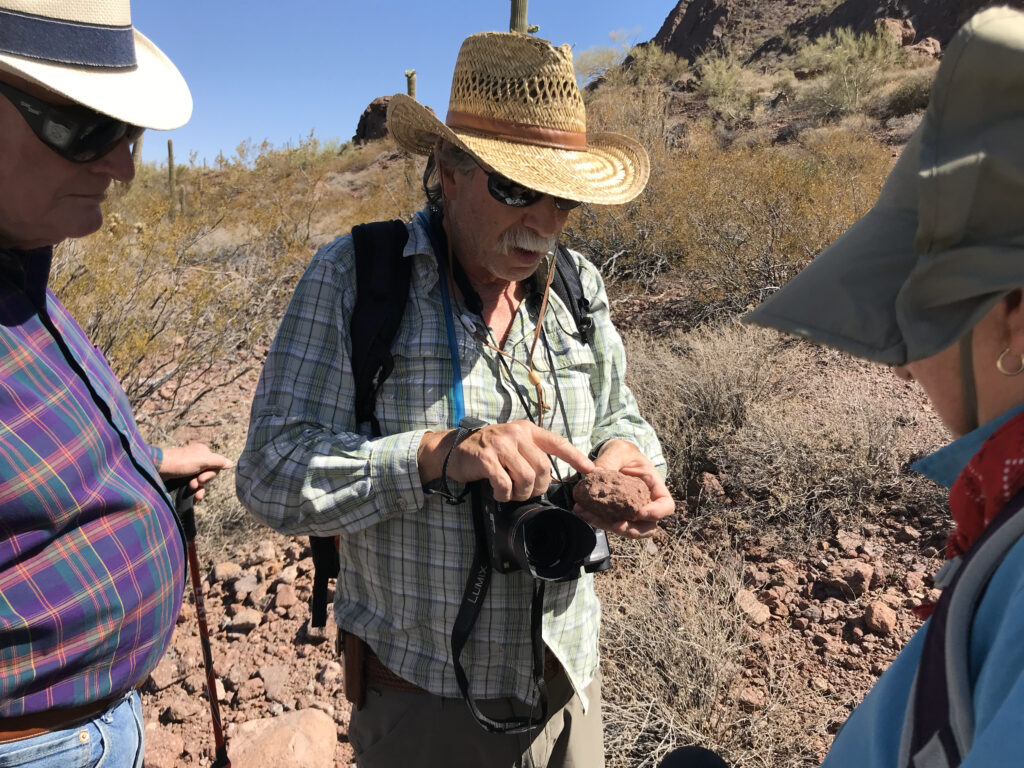
Flocks & Rocks Trek will be led by Arch McCallum, ornithologist, and Jack Oviatt, geologist, two PhDs in their respective fields, and longtime Gulchers.
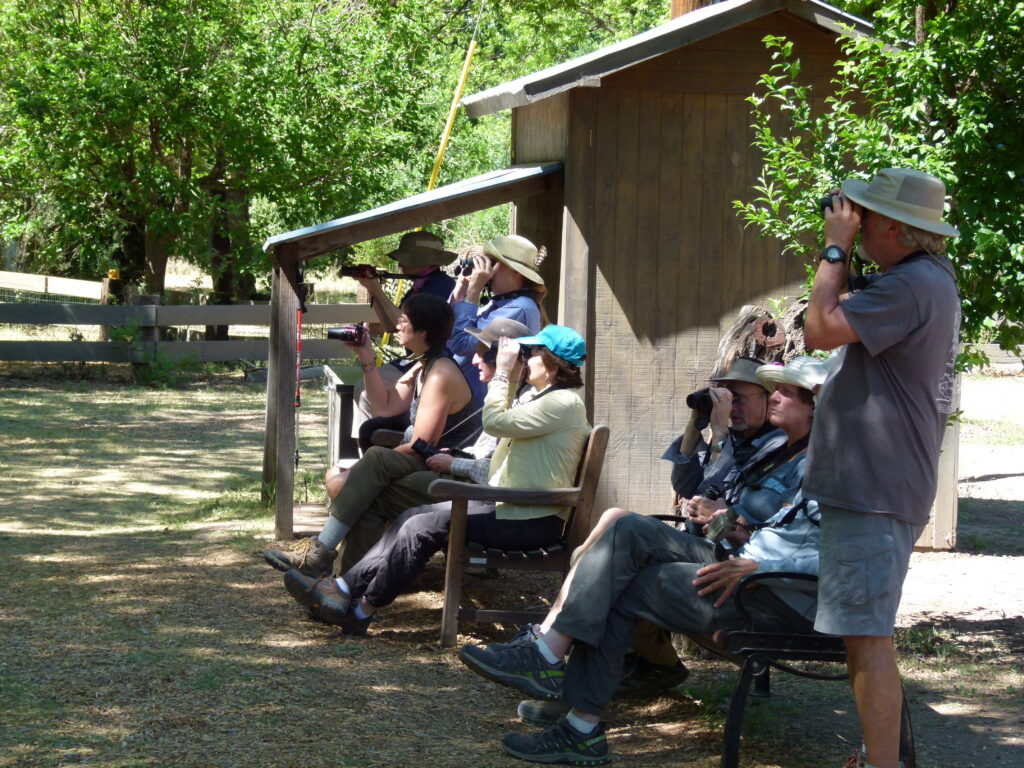
“I was a cook for the Flocks & Rocks Trek, and I can say that I have never learned so much in a single 10-day span than those days with two enthusiastic PhDs and a posse of other adults that followed them around with binoculars and hand lenses."
As adults, I feel that we become accepting of what we know about the world, and comfortable with our own understandings. Much of the learning we have to do as adults is not fun–new practices at work, a new piece of technology, how to recover after an injury–but it doesn’t all have to be that mundane, boring, or scary. What if you could experience the childish wonder from when you were at the Gulch as a teen or learning about dinosaurs as a kindergartner?
After I finished up my responsibilities as a cook on that trip, I got to be a student again. The experience was set up for both avid birders, checking off birds from their life lists, and folks like me, who didn’t even realize there were birds around until I was asked to notice noises that had always blended into the background. On the geology side of things, we were introduced to terminology that gave us a better understanding of the prehistoric oceans we were walking through and took a step back to look at the glow of sunset on sandstone cliffs, a way even non-geologists can appreciate the stunning stratification.
We have all had to adapt to a different way of life over the last two years year, and as the world slowly begins to recover, don’t forget that we all have the right to wonder, and be blown away by our own learning.”
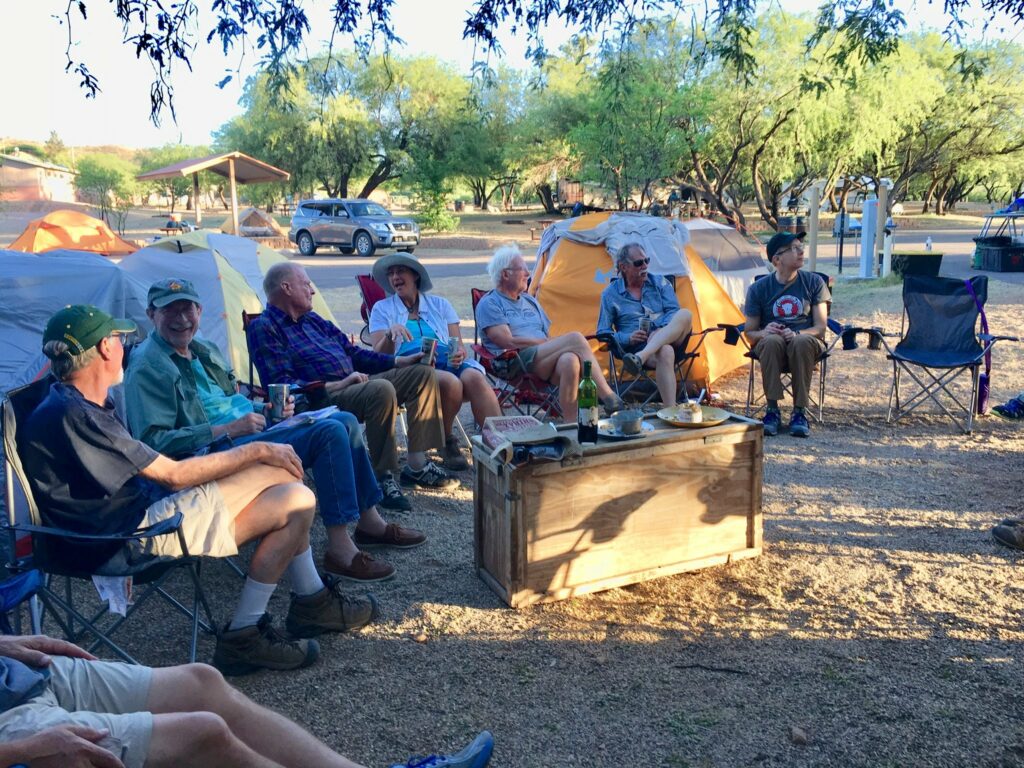
Expect lots of good stories, laughter around the evening campfire, and great food, too!